In this guide
Quick answer
Start slow herbs first: rosemary and lavender 10-12 weeks before your last frost; parsley, thyme, chives, echinacea, peppermint and bunching onions 8-10 weeks; basil, oregano, sage, lemon balm, catnip, chamomile and yarrow 6-8 weeks. Sow cilantro, dill, chervil, anise and arugula straight outside; they don't transplant well.
All timings count back from your last spring frost date. Find yours by ZIP code on your state extension website or a frost-date calculator, then mark the start dates on a calendar.
Herb seed-starting chart
| Herb | Start indoors (weeks before last frost) | Or sow outside | Days to sprout (approx.) | Seed tips |
|---|---|---|---|---|
| Basil (all 8 types) | 6-8 | 1-2 weeks after last frost | 5-10 | Warmth (75°F) matters most |
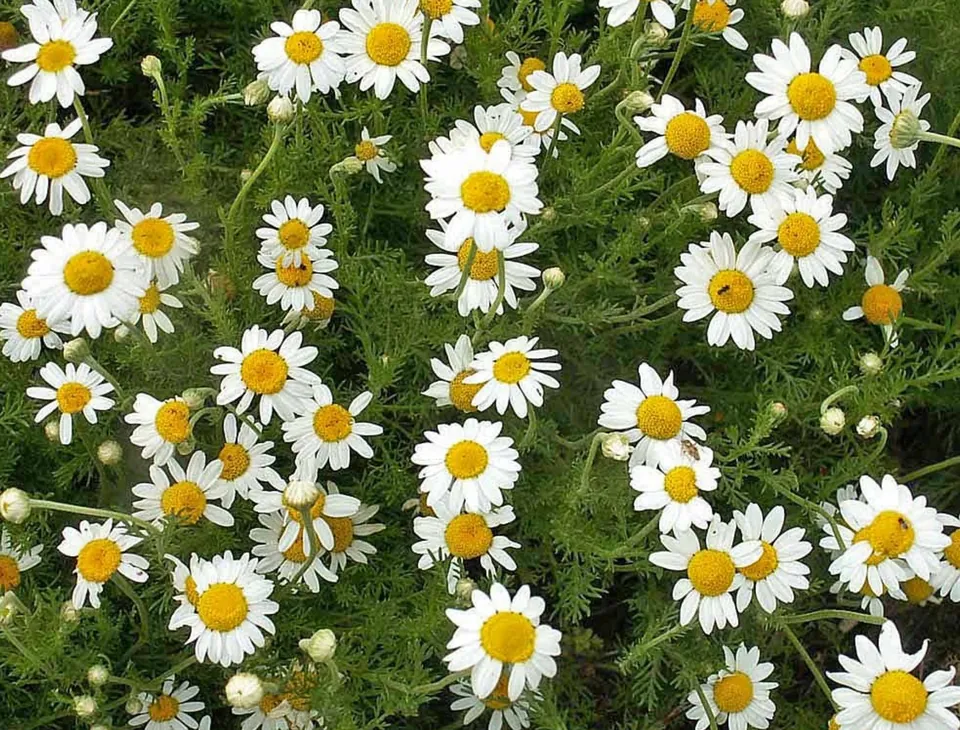
| German chamomile | 6-8 | Early spring or fall | 7-14 | Needs light: surface sow |
| Roman chamomile | 8-10 | Not recommended | 10-21 | Needs light: surface sow |
| Cilantro (Leisure, Long Standing) | Not recommended | 2-3 weeks before last frost, then every 2-3 weeks | 7-14 | Lightly crush the round husks |
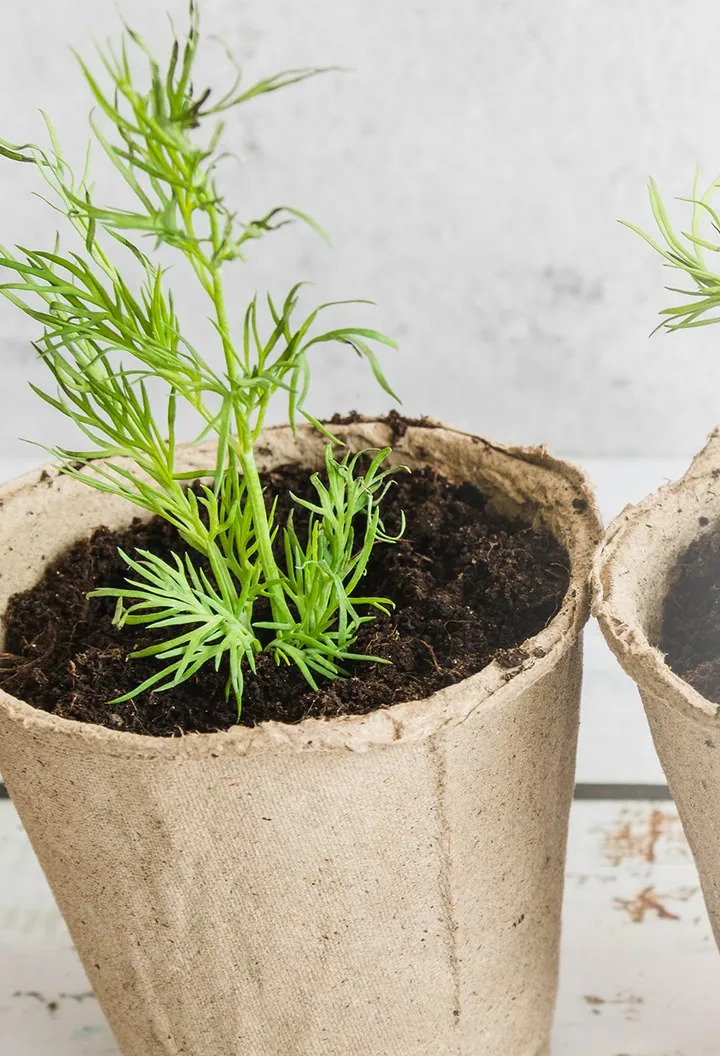
| Dill (Bouquet, Dukat, Mammoth) | Not recommended | Around last frost | 7-21 | Taproot; sow where it will grow |
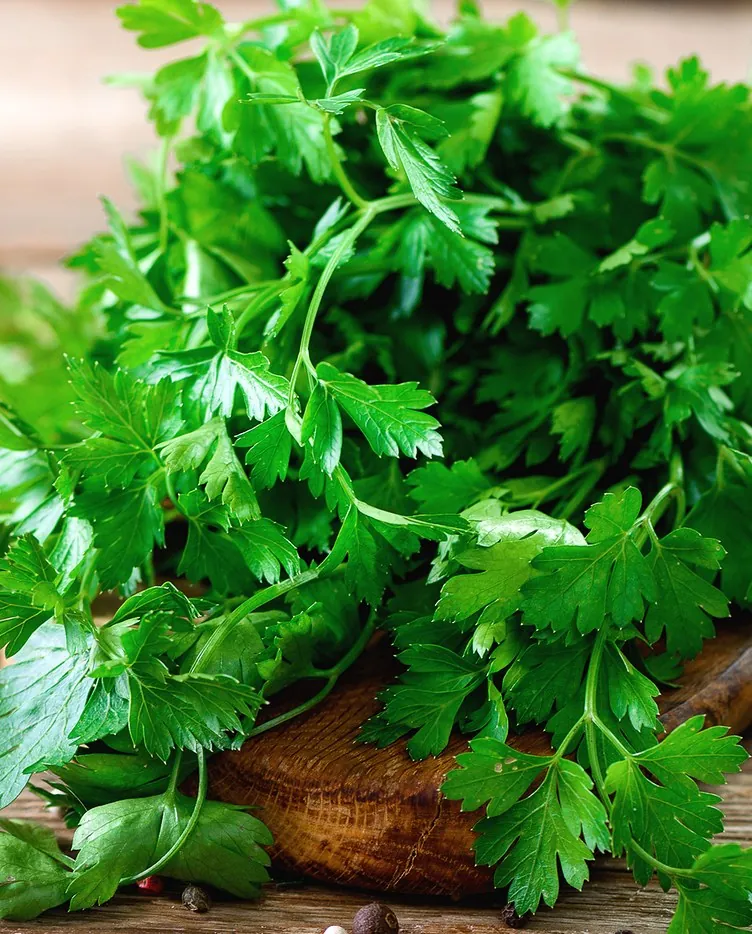
| Parsley (flat and curled) | 8-10 | 2-3 weeks before last frost | 14-28 | Soak seed 24 hours |
| Anise | Not recommended | After last frost | 14-21 | Taproot |
| Arugula | Not needed | 3-4 weeks before last frost | 3-7 | Sow every 2-3 weeks |
| Catnip | 6-8 | After last frost | 7-14 | Needs light |
| Chervil | Not recommended | 2-3 weeks before last frost | 7-14 | Needs light; likes part shade |
| Chives | 8-10 | Early spring | 7-14 | Perennial |
| Cumin | 4-6 in biodegradable pots | Only in long, hot summers | 7-14 | Needs about 4 warm months |
| Echinacea (purple coneflower) | 8-10 | Fall | 10-21 | Better after 4 weeks cold, moist chill |
| Lavender | 10-12 | Not recommended | 14-28+ | Chill 3-4 weeks first; needs light |
| Lemon balm | 6-8 | After last frost | 7-14 | Needs light |
| Bunching onion | 8-10 | 4 weeks before last frost | 7-14 | Sow thickly |
| Oregano | 6-8 | After last frost | 7-14 | Needs light |
| Peppermint | 8-10 | Not recommended | 10-16 | Needs light; keep evenly moist |
| Rosemary | 10-12 | Not recommended | 14-28+ | Slow and patchy; sow extra |
| Sage | 6-8 | After last frost | 10-21 | Cover lightly |
| Summer savory | 4-6 | After last frost | 7-14 | Needs light |
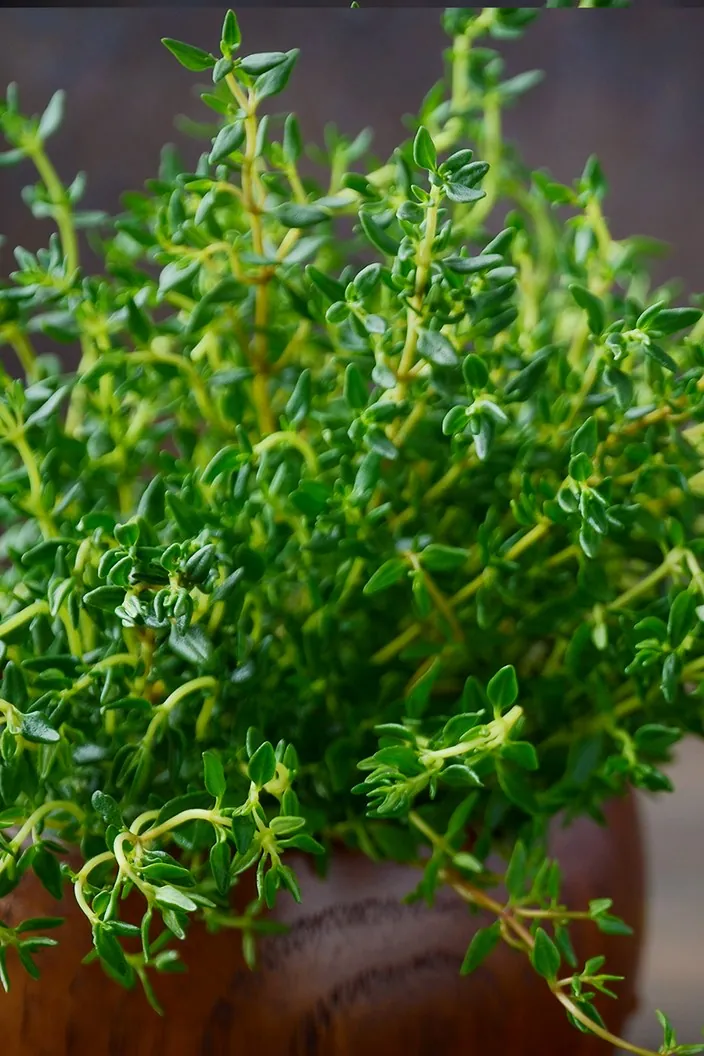
| Winter thyme | 8-10 | After last frost | 7-21 | Tiny seed; barely cover |
| Wild bergamot | 8-10 | Fall | 10-21 | Needs light; a cold spell helps |
| Western yarrow | 6-8 | After last frost or fall | 7-14 | Needs light |
"Needs light" means press seed onto the surface of damp mix and leave it uncovered. These seeds won't sprout if buried.
A sample calendar
If your last frost is around May 1, start:
- Mid-February: rosemary, lavender (chill the seed in the fridge from mid-January)
- Late February to early March: parsley, thyme, chives, bunching onions, peppermint, echinacea, wild bergamot, Roman chamomile
- Mid-March: basil, oregano, sage, lemon balm, catnip, German chamomile, yarrow
- Late March to early April: summer savory, cumin; sow arugula outdoors
- Mid-April: sow cilantro, chervil and parsley outdoors
- May 1-15: plant out transplants after hardening off; sow dill and anise outdoors; plant basil once nights stay above 50°F
Shift every date by however much earlier or later your frost date is.
Getting slow herbs to sprout
- Parsley: soak seed in warm water for 24 hours. Change the water once. It still takes 2-4 weeks; don't give up.
- Lavender, echinacea, bergamot: these germinate better after a cold, damp spell. Put seed in a damp paper towel inside a bag in the refrigerator for 3-4 weeks, then sow.
- Rosemary: fresh seed, warm mix (70-80°F), light covering. Even so, expect only a portion to sprout. Sow 3-4 times more than you need.
- Tiny seeds (thyme, oregano, mint, chamomile, savory, yarrow): mix with a pinch of dry sand to spread them evenly, sprinkle on the surface, mist instead of pouring water.
Indoor setup that works
- Fresh seed-starting mix, moistened before sowing.
- A clear cover or plastic bag until sprouts appear, then remove it.
- A heat mat for basil, cumin and rosemary.
- A light 2-4 inches above seedlings for 14-16 hours a day. Raise it as they grow.
- Thin to 1-2 seedlings per cell with scissors (pulling disturbs neighbors).
- Harden off for 7-10 days before planting outside.
Once your seedlings are up, plan where they'll go: a kitchen herb garden, an herbal tea garden, or a sunny winter windowsill.
Frequently asked questions
What happens if I start herb seeds too early? Fast herbs like basil outgrow their pots, get leggy and root-bound, and often stall after transplanting. Slow herbs like rosemary and lavender are the only ones that really need an early start.
Which herbs shouldn't be started indoors? Cilantro, dill, chervil and anise. They have taproots or bolt when disturbed. Sow them directly outside.
Can I start herbs indoors without a grow light? A very bright south window works for some herbs, but seedlings are often leggy. A basic LED shop light is inexpensive and makes a big difference.